Where I’d spend (and where I’d save) when renovating a home

Kerry Gray • October 27, 2026

As a designer, here is my take on making your renovation budget work harder, without losing the details that make ia home feel special


Let’s talk renovation budgets. because $300,000 might sound like an enormous amount of money, but anyone who’s priced a substantial renovation recently will know it doesn’t stretch nearly as far as you’d expect.


And even at $500,000, there are decisions to be made. building work, trades, cabinetry, materials and all the less exciting things you never see in the finished photographs can eat through a budget surprisingly quickly. Depending on the home and the scope of work, structural changes alone can account for a significant portion of it.


Which is why I don’t believe the answer is to make everything cheaper. It’s to be really clear about where spending more will make a difference, and where it simply won’t.


If I were renovating my own home, here’s where I’d put the money — and where I’d happily pull back.


1 - Spend


Get the layout right before choosing the beautiful stuff.


I’d always start with how the home works. A beautiful kitchen means very little if you’re constantly walking around an island to get to the fridge, and an expensive bathroom won’t make up for a poorly planned layout.


That doesn’t mean knocking down walls for the sake of it. In fact, I’d look at what can be achieved within the existing footprint first. Moving plumbing and making structural changes can be expensive, so I’d only do it when the improvement to everyday life really justifies the cost.


2 - Spend


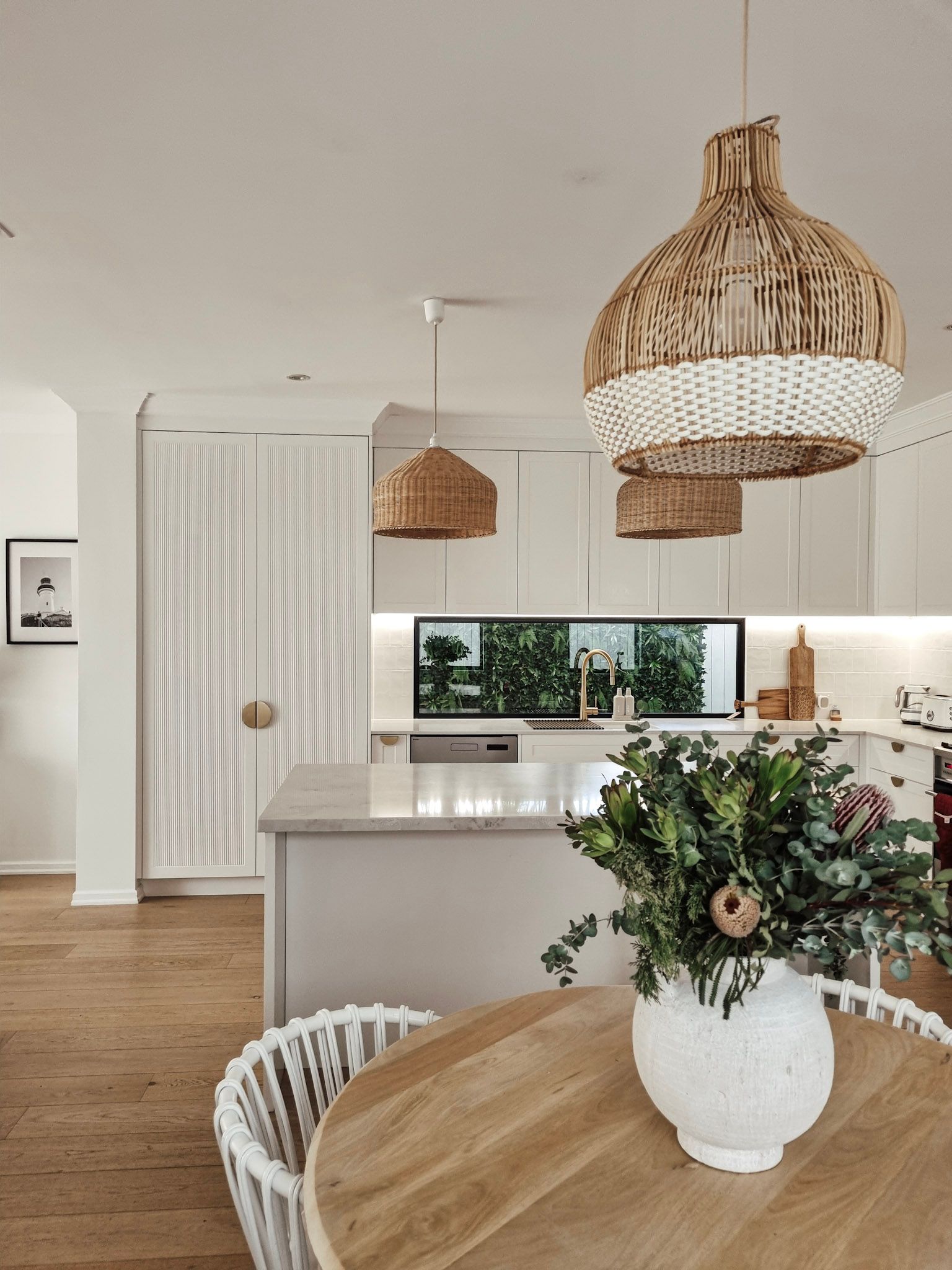
In the kitchen, I’m not compromising on the things you use every day.


Give me deep, practical drawers over endless cupboards any day. Good-quality drawer runners, hinges and cabinet hardware are worth paying for because you’ll notice the difference every single time you use them, and there is nothing worse than cabinet pulls delaminating and marking within months of install. The same goes for reliable, well-made kitchen tapware.


What I wouldn’t automatically spend more on? The most expensive cabinet door finish, complicated internal accessories in every cupboard or an elaborate pantry system that looks amazing but doesn’t suit how you live. I’d rather have a kitchen that works brilliantly than one with every possible upgrade.


3 - Spend


Choose flooring you'll love living with.


Flooring is one of the biggest visual elements in a home. It connects rooms, influences the whole palette and is disruptive to replace later. I’d invest in the right material, colour and finish for the way the family actually lives, rather than choosing purely on price.

That doesn’t mean the most expensive floor is always the best one. Durability, maintenance and how it feels underfoot matter just as much as appearance.


4 - Spend


Make room for at least one beautiful built-in.


This is one thing I’d really try to protect in the budget: a piece of joinery outside the kitchen and bathrooms that feels like part of the architecture.


It could be a window seat, an entertaining unit or a wall of bookshelves. Built-ins have a way of making a home feel more established and intentionally designed. They give a room purpose, character and a sense of permanence that freestanding furniture doesn’t always achieve.


I’m not suggesting custom cabinetry on every wall. Quite the opposite. One beautifully executed built-in can have far more impact than filling every spare corner with joinery.


5 - Save


Let one bathroom have its moment.


I love a beautiful tile, but I wouldn’t use expensive feature tiles in every bathroom. I’d be more inclined to create something special in the primary ensuite, then keep the family and guest bathrooms simpler.


An affordable, well-chosen tile can look fantastic, especially when the proportions, grout colour, layout and other finishes are right. And remember, it’s not only the tile price that matters: intricate patterns, extra cuts and installation requirements can add to the cost too.


You don’t need every bathroom to be a showstopper. Let one shine and allow the others to quietly do their job.


6 - Save


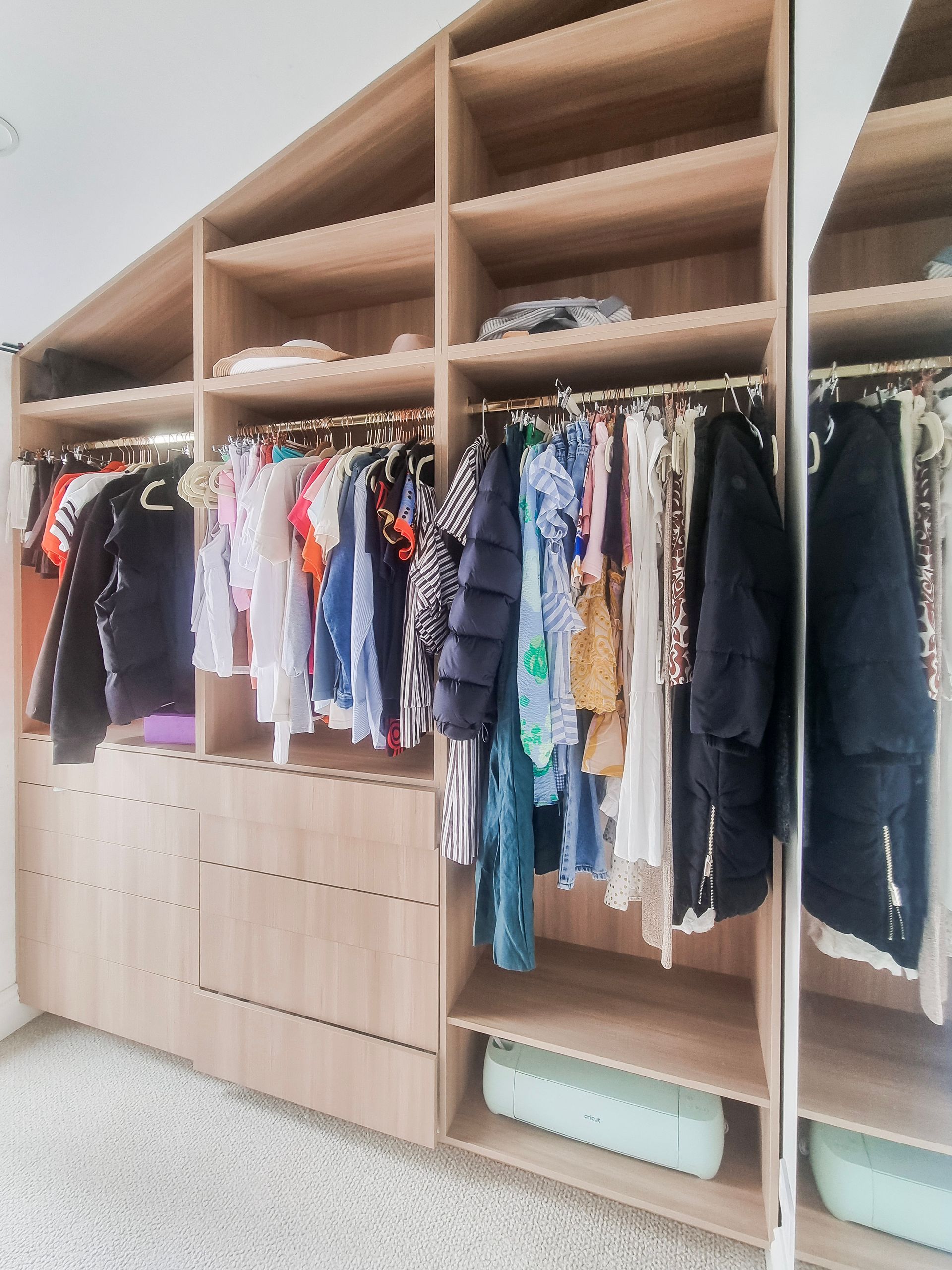
Keep the walk-in wardrobe practical.


Would I love a beautifully detailed walk-in wardrobe with custom cabinetry and display shelving?

Of course. But if the budget is tight, this is one area I’d happily simplify and prioritise function over aesthetics.


Give me sensible hanging space, practical drawers, good lighting and a layout that makes getting dressed easy. I’d rather put the extra money into the kitchen, living spaces or areas where we spend time together and entertain.


7 - Spend smart


Never under estimate the power of paint.


Paint is one of the most cost-effective ways to give a home warmth, depth and personality. And I’m not just talking about a fresh coat of white.


A beautifully chosen colour, a painted ceiling or a room wrapped in one tone can completely change the atmosphere without adding expensive cladding or other materials. Even a subtle tonal or textured finish can bring a surprising amount of character.


The important part is execution. preparation, colour selection and a skilled painter make all the difference. I’d happily invest in getting that right before automatically specifying an expensive wall treatment.


8 - Spend smart


Invest in the lighting plan, not just the light fittings.


Good lighting can make relatively simple materials look beautiful. I’d think about lighting early: how you cook, read, entertain and move through the house, and how the rooms should feel at night.


I’d spend on the planning and the right combination of task, ambient and decorative lighting, then choose a few statement fittings rather than designer lights everywhere. One beautiful pendant in the right place can do more than a collection of expensive fittings that don’t quite work together.


9 - Save


Be selective with stone and premium finishes


I love natural stone and thevariation it brings to a space, but I wouldn’t automatically use it on every benchtop, splashback and vanity. I’d decide where it will have the greatest impact and look at suitable alternatives elsewhere.


The same goes for cabinetry finishes, decorative hardware and other upgrades. Spending more doesn’t always mean the end result will be more beautiful. Sometimes a simple material is exactly what a room needs.


10 - Don't cut corners


Save on finishes, not on the fundamentals


There are places I would never chase the cheapest quote: waterproofing, electrical and plumbing work, substrate preparation and quality installation. These are the things you often can’t see when the renovation is complete, but you’ll certainly notice if they haven’t been done properly.


I always leave room for contingency, particularly in older homes. The last thing you want is to spend every dollar on finishes only to discover something unexpected once work begins.


And finally, Don’t renovate the house and forget about living in it.


I’d keep furniture, window treatments and styling as a separate, clearly planned allowance unless they’re explicitly included in the renovation budget. It’s easy to pour everything into the build and have nothing left to make the finished rooms feel like home.


That doesn’t mean replacing every piece of furniture. A mix of existing pieces, a few new investments and something unexpected or vintage can often be far more interesting than buying an entire room from one showroom.


Ultimately, I’d rather see a renovation with a few really beautiful, well-executed moments than one where the budget has been spread so thinly that nothing feels particularly special.


You don’t need every room to make a statement. You just need to know which ones are worth making a statement in.


Planning a renovation or new build in Brisbane, South East Queensland or Northern NSW? Rocky Cove Interiors offers full-service interior design, from layouts and joinery through to fixtures, finishes and the details that make a home feel like yours.


Meet Kerry, Brisbane interior designer

Create a space to cherish for years to come

Work with Kerry & embark on a creative adventure to transform your home into the sanctuary you’ve dreamed about.

More posts from the journal

By Kerry Gray • August 10, 2026
WONDERING HOW MUCH AN INTERIOR DESIGNER COSTS IN BRISBANE?  One of the first questions people ask when they're planning a renovation or building a home and thinking of hiring a designer is: "How much does an interior designer cost?" As a general guide, interior designers in Brisbane can charge anywhere from around $100–$250+ per hour for consultations and smaller pieces of work, while larger projects are often priced as a fixed fee based on the scope involved. For full interior design, fees can range from a few thousand dollars for a smaller project to tens of thousands for a large renovation or new build. The biggest factor isn't necessarily the size of your home, but how much design work, documentation and ongoing involvement your project requires.
Brisbane interior design studio, interior design Brisbane, interior design service Brisbane
January 7, 2025
A Brisbane interior design studio inviting you home to laid-back luxury